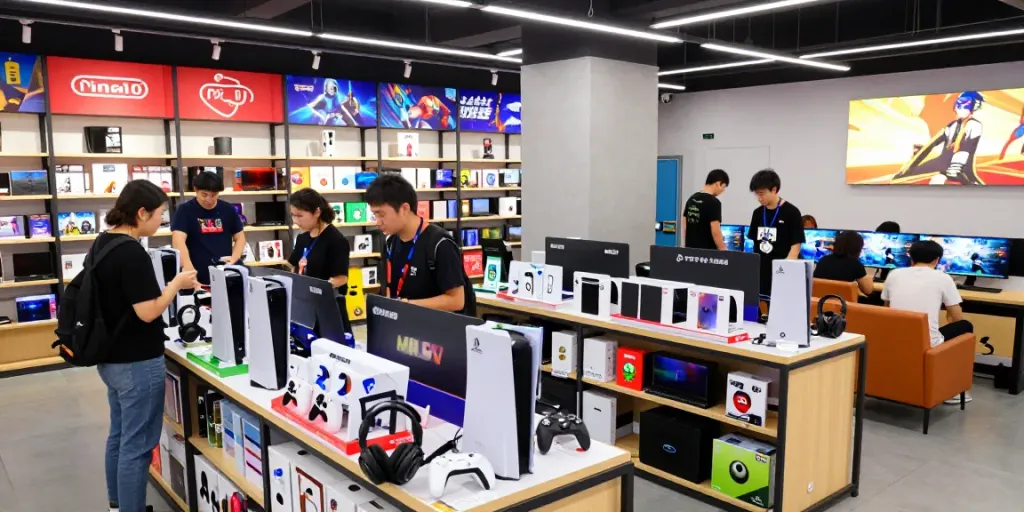
Understanding the E-Commerce Landscape in Gaming
The e-commerce sector has significantly transformed the gaming industry, creating a new dynamic for how games are sold, marketed, and consumed. With the rise of online gaming, traditional retail models have adapted to meet the needs of an increasingly digital crowd. This shift has given birth to specialized online stores, such as rokok88, which cater to gamers by offering a wide array of products and services. As we delve deeper into this topic, it is essential to explore the nuances of e-commerce gaming and its impact on consumer habits and market trends.
What is E-Commerce Gaming?
E-commerce gaming refers to the buying and selling of video games and gaming-related products through online platforms. This includes digital downloads, physical copies of games, gaming consoles, and merchandise. The convenience of accessing a vast library of titles from home has accelerated the growth of this sector. Players can now download games directly to their devices without visiting a store, enabling immediate access to the latest releases and exclusive content.
The Rise of Online Game Stores
Online game stores have proliferated, driven by the increasing number of gamers worldwide. Platforms like Steam, Epic Games Store, and rokok88 represent just a fraction of the competitive landscape that has emerged. These platforms frequently offer significant discounts during sales events, making gaming more accessible and appealing. Moreover, subscription services have also gained traction, allowing gamers to access a library of games for a fixed monthly fee. This model not only enhances consumer choice but also fosters loyalty among gamers.
Key Players in the Industry
The e-commerce gaming segment includes several key players beyond traditional retailers. Digital distribution platforms hold substantial market shares, and they are not just venues for purchases; they have become community hubs that provide gamers with social interaction, reviews, and updates on the latest trends. Companies such as rokok88 are also emerging as niche players who focus on customer service, user experience, and localized offerings to differentiate themselves from larger competitors.
Navigating Customer Preferences
Understanding consumer preferences is crucial for optimizing e-commerce strategies. The diverse demographics of gamers reflect various interests and spending habits that influence their purchasing decisions.
Demographics of Game Buyers
The demographics of game buyers have expanded dramatically, encompassing a wide range of ages, genders, and backgrounds. While the stereotype of a young male gamer persists, studies reveal that women and older adults represent a significant portion of the gaming population. Such diversity leads to varying preferences in game types, genres, and purchasing methods, necessitating tailored approaches from retailers.
Trends Influencing Consumer Behavior
Trends in technology and user interface design greatly influence consumer behavior in the gaming market. Many gamers prioritize seamless experiences that include easy navigation, personalized recommendations, and fast load times. Furthermore, the integration of social features, such as sharing achievements or competing with friends, adds an engaging layer that encourages users to spend more time—and money—on these platforms.
Challenges Facing E-Commerce in Gaming
Despite the growth potential, e-commerce in gaming faces challenges such as distribution logistics, digital rights management, and fierce competition. Retailers must also contend with consumer expectations for price transparency and security. Addressing these issues is critical for maintaining trust and loyalty among gamers, especially in a market where new entrants frequently threaten established players.
Marketing Strategies for Success
To thrive in the competitive e-commerce gaming landscape, retailers must employ effective marketing strategies that resonate with their target audiences.
Effective Social Media Campaigns
Social media is a powerful tool for engaging with the gaming community. By utilizing platforms like Twitch, YouTube, Instagram, and Twitter, brands can create buzz around new releases and promotions. Interactive campaigns, such as polls, contests, and live streams, can enhance user engagement and foster social sharing, thus widening brand reach.
Utilizing Influencer Partnerships
Influencer marketing has become increasingly relevant in the gaming industry. Collaborating with popular streamers and content creators can provide brands with authentic endorsements and innovative promotional strategies. Influencers can showcase products in real-time, demonstrating their value to potential buyers and creating a sense of community around the brand.
Innovative Promotions and Discounts
Promotions, including limited-time discounts and bundle offers, are essential for attracting new customers and retaining existing ones. Seasonal sales, loyalty programs, and referral incentives can boost sales and encourage repeat purchases. Retailers should continually analyze data to determine which promotions resonate most with their audience and adjust their strategies accordingly.
Best Practices for E-Commerce Platforms
Building a successful e-commerce platform requires adhering to best practices that prioritize user experience and security.
Optimizing User Experience
A streamlined user experience is paramount in retaining customers. This includes intuitive site navigation, fast loading times, and accessible customer service. Ensuring a responsive design that functions seamlessly across devices is key, as a growing number of gamers shop on mobile platforms.
Mobile vs. Desktop Shopping Trends
As mobile gaming continues to rise, e-commerce platforms must adapt to the mobile shopping experience. Studies show that mobile users tend to favor quick transactions and easy access to gaming content. Thus, optimizing websites for mobile devices is no longer optional; it’s essential for reaching a broader audience and increasing sales.
Payment Methods and Security Measures
Providing multiple payment methods, including digital wallets and cryptocurrency, can enhance the shopping experience and accommodate diverse consumer preferences. Furthermore, retailers must prioritize security measures to protect customer data and build trust, incorporating elements such as two-factor authentication and encryption protocols.
The Future of E-Commerce in Gaming
Looking ahead, the future of e-commerce in gaming promises to be shaped by technological advancements and evolving consumer expectations.
Emerging Technologies: AR and VR Integration
Augmented Reality (AR) and Virtual Reality (VR) are set to revolutionize the gaming experience. As these technologies become more accessible, we can expect e-commerce platforms to integrate AR and VR features to offer immersive experiences. This could include virtual try-ons for merchandise or interactive environments that allow users to preview games before purchase.
Predictions for 2026 and Beyond
By 2026, analysts predict significant growth in e-commerce gaming, spurred by advancements in technology and user engagement strategies. Subscription services, cloud gaming, and ongoing innovations in digital distribution are likely to reshape the market dynamics, shifting how games are marketed and consumed.
Staying Competitive in a Growing Market
As competition intensifies, retailers must remain agile, adapting to changes in consumer behavior and market trends. Investing in data analytics and consumer insights will be crucial for informing marketing strategies and enhancing user experience.
What are the key trends in e-commerce gaming?
Key trends include the rise of subscription services, an increase in digital content consumption, and advancements in payment technologies. Retailers that can adapt to these changes will be better positioned for future success.
How can retailers improve customer engagement?
Improving customer engagement can be achieved through personalized marketing, leveraging social media, and creating interactive content that resonates with gamers. Additionally, fostering community through forums and events can deepen connections with the audience.
What innovations should we expect in gaming e-commerce?
Future innovations may include enhanced AR and VR experiences, AI-driven personalization for marketing, and improved security measures to protect consumer data. The integration of social features into e-commerce will likely facilitate community-building among gamers.
What strategies do successful e-commerce sites employ?
Successful e-commerce sites employ strategies such as data-driven decision-making, an emphasis on user experience, tailored marketing campaigns, and robust security protocols. They understand their audience and continually adapt to their preferences.
How is consumer behavior changing in the gaming market?
Consumer behavior in the gaming market is shifting towards digital consumption, valuing convenience and accessibility. Gamers are increasingly looking for platforms that provide seamless experiences, social engagement, and personalized recommendations.